Overview of the role and importance of pest control professionals in maintaining health, safety, and comfort in various environments.
1. How Do Pest Control Professionals Identify Infestations?
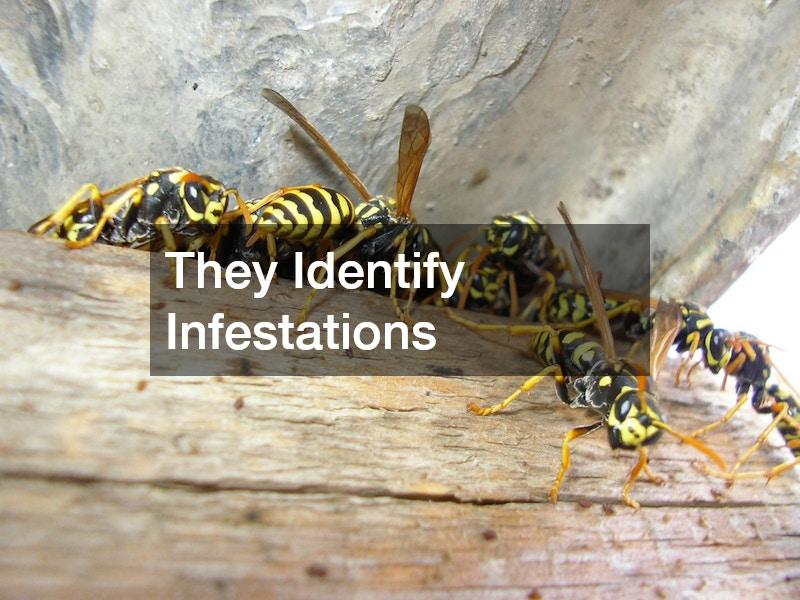
Pest control professionals are highly skilled in identifying various types of infestations through thorough inspections. They look for signs such as droppings, nests, and physical damages to property that indicate pest presence.
These experts are trained to detect even the most subtle traces that may not be visible to the untrained eye. Utilizing specialized tools and technologies, they ensure the accurate detection of pest infestations. Their ability to identify early signs means efficient solutions can be implemented swiftly.
The identification process is crucial as it requires understanding the characteristics of over a thousand possible pests. Pest control professionals use knowledge of pest biology and behavior in different environments. This understanding helps in assessing the extent of an infestation and possible entry points. They often rely on the latest scientific research to back their inspection methods. Upon identification, a detailed report is usually provided, outlining the findings and recommended actions.
Pest control inspections are not a one-size-fits-all approach. Each case is unique, demanding customized evaluation methods to assess the specific type of pest and the severity of the problem. The implementation of advanced diagnostic tools highlights the professional’s dedication to comprehensive assessments. Moreover, these inspections help in determining whether a short-term or long-term control solution is required. Consequently, homeowners and businesses are better informed and can make educated decisions on pest management.
2. What Methods Do They Use to Control Pests?
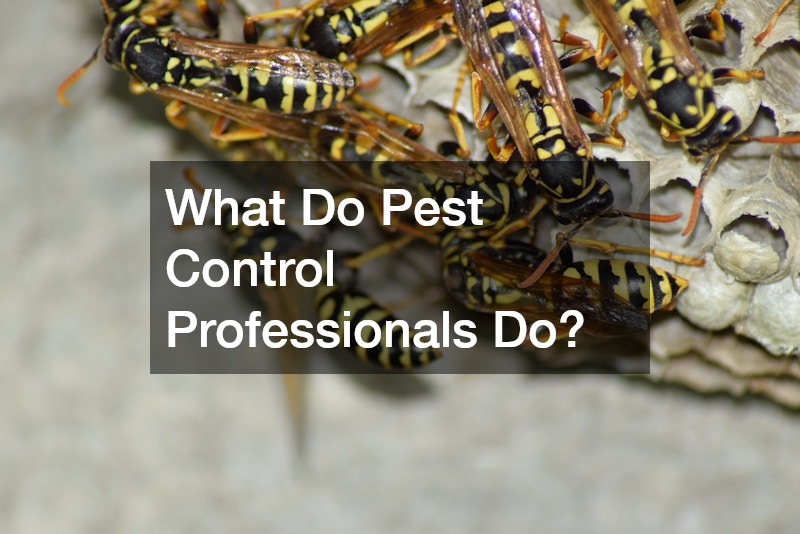
Pest control professionals employ a variety of methods to eradicate pests, tailored to the type and scale of infestation. Chemical treatments, though effective, are applied judiciously to minimize harm to the environment and non-target species. In environments sensitive to chemicals, non-toxic or organic alternatives are increasingly used. Techniques such as heat treatments and biological control involve using natural predators or environmental changes to control pest populations. The choice of method is influenced by factors such as safety, efficacy, and cost-efficiency.
Integrated Pest Management (IPM) is a holistic approach that combines multiple pest control strategies. This involves regular monitoring and a combination of preventive and active treatments. IPM prioritizes mechanical controls such as traps and barriers, using chemical solutions as a last resort. This method reduces the risk of pests developing resistance, ensuring long-term effectiveness. By focusing on sustainable approaches, pest control professionals align with modern ecological principles.
A crucial aspect of pest control is the adaptation of strategies as conditions change. Professionals continuously update their techniques in alignment with advances in pest control technologies and changing environmental regulations. Their proactive stance in finding innovative solutions helps keep pest populations under check. Clients benefit from the reduced likelihood of pests returning and the peace of mind knowing their environments are safe. As a result, professional pest control services remain indispensable in both urban and rural settings.
3. What Are the Preventative Measures Initiated by Pest Control Professionals?
Prevention is a crucial component of pest management, often more cost-effective than addressing an active infestation. Pest control professionals provide valuable guidance on minimizing pest attractions through sanitation, habitat modification, and exclusion techniques. By identifying pest entry points, they recommend structural repairs, sealant applications, and vegetation management. Routine maintenance checks and recommendations are part of a comprehensive preventative plan. Ultimately, effective prevention involves ongoing efforts to maintain a pest-free environment.
Education is an integral aspect of the preventative measures initiated by pest control professionals. They emphasize creating awareness among clients about habits and practices that detract pests, such as food storage and waste disposal. An informed household or business is less likely to engage in activities that inadvertently draw pests. By fostering a culture of prevention, pest management professionals empower clients to contribute actively to their pest control efforts. In doing so, they strengthen client engagement and collaboration in maintaining pest-free premises.
Pest control professionals often implement deterrent measures that act as barriers against potential infestations. Such methods include applying biological or chemical repellents and installing physical barriers that prevent pests from reaching sensitive areas. These measures are especially vital in settings that require high standards of hygiene, such as food processing facilities or healthcare institutions. By proactively managing risks, pest control specialists help avoid costly infestations and related health hazards. The emphasis is on long-term solutions that align with the client’s unique needs and environmental conditions.
4. What Qualifications and Training Do Pest Control Professionals Require?
Pest control professionals undergo rigorous training and certification programs to qualify in their field. Standard requirements include a high school diploma, followed by specialized courses in pest management. These courses cover topics like pest biology, pesticide application, safety procedures, and regulations. Many professionals also pursue continuous education to keep abreast of the latest pest control methods and technologies. Certification from recognized bodies ensures that these professionals adhere to industry standards and ethical practices.
Hands-on experience is a significant aspect of training for pest control professionals. Many undergo apprenticeships or supervised practical training to gain field experience. This exposure is crucial in honing their problem-solving skills and understanding real-world pest dynamics. In this way, theoretical knowledge is merged with practical application, providing professionals with a comprehensive skill set. The ability to adapt to different pest scenarios is honed through years of on-the-job learning.
Besides technical skills, pest control professionals must also have strong communication skills. Educating clients and discussing treatment plans require clarity and understanding. They must explain complex issues in simple terms and make recommendations understood and accessible. Their role involves not only executing treatments but also building trust and rapport with clients. Thus, their skill set extends beyond pest control, encompassing customer service and relationship management.
5. How Do Pest Control Professionals Ensure Safety and Efficacy in Their Work?
Ensuring safety and efficacy in pest control is a priority, where professionals adopt regulated practices and processes. Before any treatment, they conduct risk assessments to identify possible hazards related to pest control interventions. They follow strict guidelines for pesticide usage, storage, and disposal to mitigate environmental and health risks. Additionally, personal protective equipment is always used to safeguard pest control professionals and residents or workers in the vicinity. By sticking to these protocols, they prevent accidental exposure and promote safety.
Technological advancements play a vital role in enhancing the safety and effectiveness of pest control measures. With the integration of smart technologies, like sensors and monitoring systems, professionals can track pest activity in real-time and adjust treatments as needed. Such tools enable targeted interventions, reducing the need for widespread treatments that could be unnecessarily intrusive or hazardous. This precision approach reflects a commitment to minimizing ecological footprints while ensuring comprehensive pest management. Clients benefit from optimized and environment-friendly pest management solutions.
Continual improvement through research is another aspect that underscores the efficacy of pest control efforts. Professionals invest in the latest studies and pilot innovative treatment practices to stay current. This commitment ensures that clients receive the best solutions that science and technology can offer. As pests evolve, strategies are refined to counteract new threats effectively. Thus, the pest control industry remains dynamic, consistently adjusting to the changing landscape of pest management challenges.
In summary, pest control professionals play a critical role in managing pests safely and effectively. They offer a comprehensive approach that includes identification, control, prevention, and education. By aligning their practices with industry standards and innovative solutions, they ensure environments remain healthy, safe, and comfortable. Their services extend beyond mere pest elimination, focusing on sustainable management that benefits both clients and the environment. Consequently, investing in professional pest control services is a wise choice for long-lasting peace of mind.