Cockroach infestations pose a significant problem for homeowners and businesses alike. These resilient pests are known for their ability to thrive in a wide range of environments, making them particularly difficult to eradicate once they have established themselves. Cockroaches not only cause damage to property but also pose health risks, spreading bacteria and triggering allergies. Effective cockroach control is crucial in maintaining a safe and hygienic environment. This article will delve into the necessary steps for identifying, preventing, and controlling cockroach infestations.
1. How Do You Identify a Cockroach Infestation?
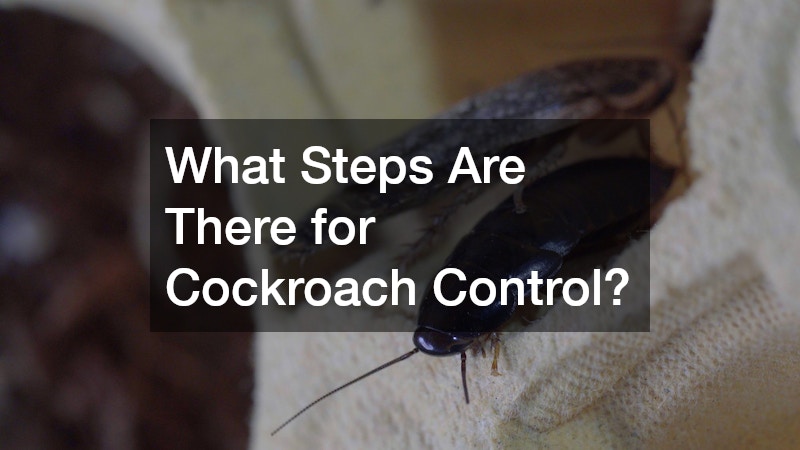
Identifying a cockroach infestation early is essential for effective control. One of the first signs of an infestation is spotting the insects themselves, which are often most active at night. Cockroaches leave behind telltale signs, such as droppings that resemble coffee grounds or pepper, and shed skin, especially near their hiding places. A strong, musty odor in your home or establishment can also be indicative of a large population of cockroaches. Being aware of these signs can help in implementing timely control measures before the infestation escalates.
Another sign of cockroach presence is finding egg cases, also known as oothecae, which cockroaches leave in sheltered areas. These egg cases are usually brown and capsule-shaped, and each can contain multiple eggs. If you find oothecae, it indicates active breeding and the potential for a growing infestation. Moreover, cockroaches are elusive creatures that tend to hide behind appliances, inside cupboards, and in any small crevices, so a thorough inspection of these areas is crucial. Listening for scuttling noises in hidden corners can serve as an additional clue when inspecting for cockroaches.
It is crucial to understand the specific species you are dealing with for effective control; common ones include the German, American, and Oriental cockroaches. Each species has different habits and preferences, which can influence the control methods you choose. For instance, German cockroaches are typically found in kitchens and bathrooms due to their need for warmth and moisture. In contrast, American cockroaches are larger and often found in basements or outdoor areas like garden sheds. Knowing your enemy is a crucial step in formulating a tailored approach to dealing with the infestation.
2. What Preventative Measures Can Be Taken?
Prevention is always better than cure, and this is particularly true when it comes to cockroaches. A significant preventative measure is maintaining a clean and tidy environment, as food and water sources attract cockroaches. Ensuring that food is stored in airtight containers, cleaning crumbs and spills immediately, and not leaving dirty dishes in the sink overnight can significantly reduce the risk of infestation. Regularly taking out the trash and sealing trash bins can also help in deterring these pests. It’s also prudent to repair leaks and remove standing water to eliminate cockroach havens.
Sealing entry points is another effective prevention strategy. Cockroaches can flatten their bodies to fit through tiny gaps, so inspect and seal cracks in walls, floors, and around windows and doors. Using caulk or weatherstripping can prevent entry and hinder the spread of infestations. Additionally, screening vents and pipes can block other common entry points for cockroaches. By reducing these access points, homeowners can proactively protect their premises from infestations.
Landscaping and yard maintenance also play a role in preventing cockroach infestations. Overgrown vegetation, woodpiles, and other debris can serve as harborages for cockroaches and other pests. Maintaining a clean garden, trimming shrubs, and keeping firewood stacks elevated and away from the house can reduce outdoor lighting that attracts cockroaches and can deter them from nearby areas. Implementing a holistic approach to indoor and outdoor cleanliness can safeguard your home against these resilient pests.
3. How to Choose Effective Cockroach Treatments?
Once you have identified an infestation, selecting the right treatment is critical for successful eradication. Chemical control options such as baits, sprays, and insect growth regulators are commonly used for cockroach control. Baits are particularly effective due to their ability to attract and poison cockroaches upon consumption. When using baits, it’s vital to place them in locations where cockroaches are most active, such as under sinks, behind appliances, and in cupboards. However, it is important to use chemical treatments cautiously and according to the manufacturer’s instructions to avoid unnecessary exposure.
Non-chemical methods can also be employed for cockroach control, particularly in environments where chemicals are not desirable. Sticky traps offer a chemical-free option for monitoring and reducing cockroach populations. Though less effective for large infestations, when strategically placed, they can capture individual cockroaches, helping to assess the infestation level. Using a combination of chemical and non-chemical approaches often yields the best results, effectively targeting cockroach populations while minimizing potential health risks.
For severe infestations, it might be wise to enlist professional pest control services. Professionals have access to a wider range of tools and products, as well as expertise in identifying species and applying treatments effectively. They can offer regular maintenance plans to ensure the continued effectiveness of control measures and prevent reinfestation. Collaborating with professionals can provide peace of mind and ensure that your space remains free from cockroach infestations long-term.
4. What are the Challenges of DIY Cockroach Control?
While DIY cockroach control methods can be effective, they come with several challenges. The most significant challenge is often the incomplete elimination of the infestation. Due to their elusive nature and ability to breed rapidly, missing even a few individuals can result in a resurgence of the population. Without a deep understanding of cockroach biology and behavior, DIY methods may fail to target all life stages effectively. Therefore, while DIY solutions may be cost-effective initially, they can lead to higher costs in the long run if not properly executed.
Another challenge is the misuse or overreliance on chemical treatments that can pose health risks to humans and pets. Improper application of pesticides not only fails to eliminate cockroaches but may also contribute to pesticide resistance. Furthermore, DIY attempts often lack the precision of professional applications, leading to inefficient targeting of the infestation. Homeowners must exercise caution and adhere to safety guidelines when considering DIY chemical treatments to avoid unintended consequences.
Finally, DIY methods often do not address the root cause of the infestation. While traps and sprays may reduce numbers temporarily, without addressing sanitation, structural issues, and environmental factors, reinfestation is a likely possibility. Effective cockroach control requires a comprehensive approach, combining elimination with prevention to ensure long-lasting results. It may be necessary to seek professional guidance or opt for comprehensive control programs to ensure a holistic solution to the problem.
5. How Can You Maintain Long-Term Cockroach Prevention?
Maintaining long-term cockroach prevention requires consistent effort and vigilance. Regular inspection and monitoring of potential problem areas can help in detecting an infestation early and prevent it from escalating. Routine maintenance of sanitation practices is essential, focusing on eliminating food and water sources that attract cockroaches. Homeowners should also remain vigilant about sealing potential entry points and checking for structural damage that could allow ingress. Keeping a clean, organized, and well-maintained environment is a cornerstone of effective prevention.
Integrated Pest Management (IPM) is a holistic approach that combines multiple strategies for sustained cockroach control. This method involves a combination of monitoring, baiting, barrier treatments, and preventive measures to keep cockroach populations under control. IPM focuses on using the least hazardous methods first, reserving chemical interventions for when absolutely necessary. This approach not only minimizes risks to humans and pets but also promotes sustainable pest control practices.
In addition to personal efforts, partnering with pest control professionals for regular inspections and treatments can further enhance long-term prevention. These experts can provide valuable insights and recommend tailored solutions based on specific environmental factors and pest pressures. By working collaboratively with professionals and staying informed about the latest developments in pest control strategies, homeowners can maintain a pest-free environment. Sustainable strategies and a proactive mindset are key components of long-term cockroach prevention success.
Effective cockroach control is an essential aspect of maintaining a safe and healthy environment. By understanding the signs of infestation and implementing preventative measures, the risk of a cockroach invasion can be substantially reduced. In cases where infestations occur, choosing the right treatment options and being aware of the limitations of DIY methods is crucial. Long-term prevention requires ongoing vigilance, integrated strategies, and sometimes professional assistance. By following a comprehensive approach, it is possible to keep these persistent pests at bay and ensure a hygienic living or working space.