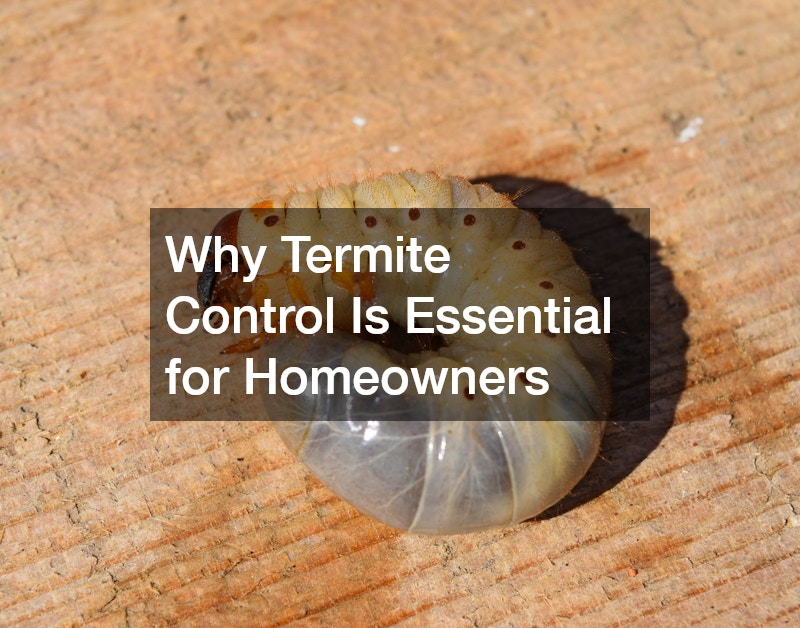
A Hidden Threat Every Homeowner Should Take Seriously
Your home is one of your most valuable assets, providing safety, comfort, and long-term financial security. However, one of the most destructive threats to that investment often goes unnoticed until significant damage has already occurred. Termites are silent invaders, working behind walls, beneath floors, and within structural components to slowly compromise the integrity of your home.
Unlike other household issues that present obvious warning signs, termite infestations develop quietly. These pests feed continuously on wood and other cellulose materials, weakening essential structures over time. Many homeowners only become aware of a problem after floors begin to sag, doors no longer close properly, or walls show visible damage.
Because of how subtle and persistent termite activity can be, understanding how to detect, prevent, and address infestations is essential. A proactive approach not only protects your home but also helps you avoid the high costs and stress associated with extensive repairs.
Understanding the Real Risk Termites Pose to Your Home
Termites are among the most destructive pests a homeowner can encounter, largely because of their ability to remain hidden while continuously feeding on structural materials. Unlike insects that simply invade living spaces, termites actively compromise the framework of your home, weakening beams, joists, and other essential supports. This makes termite control a crucial part of protecting long-term property value. Many homeowners underestimate the seriousness of an infestation because there are often no immediate warning signs, but colonies can grow rapidly and cause damage over months or years without being detected.
A comprehensive pest control plan must account for termite activity specifically, as these pests behave differently from ants, rodents, or other common intruders. They are not seasonal nuisances that disappear on their own; instead, they establish colonies that can persist indefinitely if not treated properly. Over time, even a relatively small colony can cause extensive deterioration, leading to structural instability and costly repairs. Because they typically live underground or inside walls, their presence is often only discovered after visible damage has already occurred.
Understanding the risks associated with termites highlights the importance of prevention. Rather than waiting for signs of damage, homeowners benefit from regular monitoring and early intervention. This approach reduces long-term costs and ensures the structural integrity of the home remains intact.
Early Warning Signs Every Homeowner Should Watch For
Although termites are known for their ability to remain out of sight, they do leave behind subtle clues that indicate their presence. Recognizing these signs early can make a significant difference in minimizing damage and addressing the issue before it becomes severe. One of the most common indicators is the appearance of mud tubes along foundations, walls, or crawl spaces. These tubes serve as protective pathways for termites as they travel between their colony and food sources, shielding them from light and predators.
Another key warning sign is wood that sounds hollow when tapped. This occurs because termites consume the inner portions of wood, leaving only a thin outer layer intact. Homeowners may also notice discarded wings near windowsills or entry points, which are often left behind after termites swarm to establish new colonies. In some cases, surfaces such as paint or drywall may begin to bubble or peel, mimicking water damage but actually indicating activity beneath the surface.
Changes in the structure of the home can also signal a problem. Doors and windows that suddenly become difficult to open or close may be affected by subtle shifts caused by internal damage. When these signs appear, contacting a termite exterminator is essential to confirm the presence of an infestation and begin appropriate treatment. Early detection is key to preventing widespread damage.
How Professional Inspections Prevent Costly Structural Damage
Professional inspections are one of the most effective ways to identify termite activity before it leads to serious structural issues. While homeowners may be able to spot visible warning signs, many infestations occur in hidden areas that require specialized tools and training to detect. Termite control services are designed to uncover these hidden threats and provide a comprehensive evaluation of your home’s condition.
A qualified pest control contractor will conduct a detailed inspection that goes beyond surface-level observations. This process often includes the use of moisture meters to identify areas that attract termites, as well as tools that can detect activity behind walls or beneath flooring. Inspectors also evaluate environmental factors such as ventilation, drainage, and wood-to-soil contact, all of which can contribute to termite infestations.
The value of a professional inspection lies in its ability to identify both current problems and potential risks. Instead of reacting to visible damage, homeowners gain a clear understanding of where their home may be vulnerable. This allows for preventative measures to be implemented before an infestation becomes severe. By addressing issues early, homeowners can avoid costly repairs and maintain the long-term stability of their property.
Why Hiring Local Experts Improves Long-Term Protection
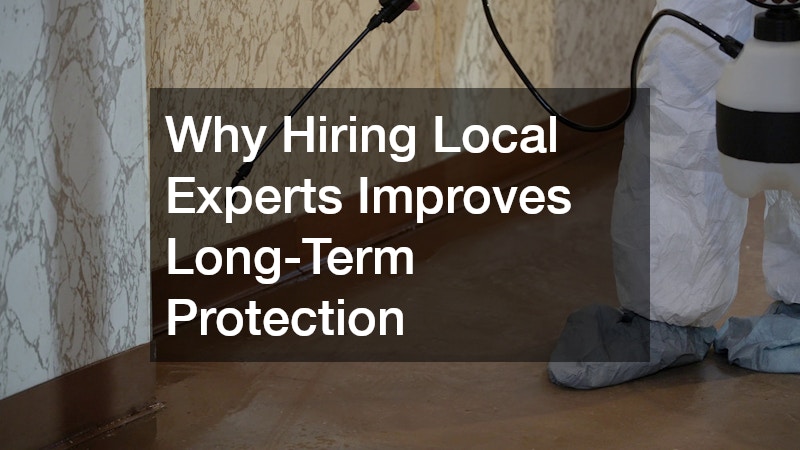
Working with professionals who understand the specific conditions of your region can significantly enhance the effectiveness of termite prevention and treatment efforts. Local pest control companies bring valuable knowledge about the types of termites commonly found in the area, as well as the environmental factors that influence their behavior. This localized expertise allows for more targeted and effective solutions.
Different regions experience varying levels of termite activity depending on climate, soil composition, and seasonal patterns. Local professionals are familiar with these variables and can tailor their approach to suit the unique needs of your property. This often results in more efficient treatments and better long-term outcomes compared to generalized solutions that may not account for regional differences.
In addition to their technical expertise, local providers are typically more accessible for ongoing maintenance and follow-up services. Building a relationship with a trusted company ensures that your home is monitored consistently and that any new issues are addressed promptly. This level of continuity is essential for maintaining a termite-free environment over time and provides homeowners with added peace of mind.
The Hidden Impact of Termites on Wood Structures and Floors
Wood is one of the primary materials termites target, making it especially vulnerable within residential construction. From framing and support beams to finishes and flooring, termites can cause widespread damage that affects both the appearance and structural integrity of a home. Wood flooring, in particular, is highly susceptible due to its proximity to the ground and potential exposure to moisture, which creates an ideal environment for termite activity.
As termites feed on wood, they weaken its internal structure, often without causing immediate visible damage. Over time, this can lead to sagging floors, uneven surfaces, and a noticeable decline in stability. Homeowners may initially attribute these issues to normal wear and tear, but in many cases, termites are the underlying cause. Left untreated, the damage can spread to other parts of the home, including walls, ceilings, and foundational supports.
The hidden nature of termite damage makes it especially dangerous. Because the destruction occurs beneath the surface, it may go unnoticed until repairs become extensive and costly. Regular inspections and awareness of potential warning signs are essential for protecting wooden elements within the home. Addressing infestations early helps preserve both the functionality and aesthetic appeal of these materials.
How Termite Damage Leads to Expensive Repairs and Restoration

When termite infestations are not addressed promptly, the resulting damage can escalate into major structural problems that require extensive repairs. Over time, termites can compromise critical components such as support beams, joists, and load-bearing walls, making parts of the home unsafe. In severe cases, entire sections may need to be rebuilt, significantly increasing the cost and complexity of restoration efforts.
A damage restoration company is often required when termite damage reaches this level. Their work typically involves removing and replacing compromised materials, reinforcing weakened structures, and ensuring that the home meets safety standards once again. This process can be both time-consuming and disruptive, often requiring homeowners to temporarily relocate while repairs are completed.
In addition to structural repairs, restoration may also involve addressing underlying issues that contributed to the infestation, such as moisture buildup or poor ventilation. These factors must be corrected to prevent future problems from occurring. The financial impact of such repairs can be substantial, especially since termite damage is not always covered by standard insurance policies. This underscores the importance of early detection and preventative measures, which can significantly reduce the likelihood of costly restoration projects.
Coordinating Pest Control with Home Improvement Projects
Home improvement projects present an ideal opportunity to address termite risks before new materials are installed. Integrating pest management into the planning process ensures that renovations are not compromised by hidden infestations. This is particularly important when working with flooring services, as the condition of the underlying structure directly affects the longevity and performance of the finished product.
Installing new materials over an existing infestation can lead to damage shortly after the project is completed, resulting in additional expenses and frustration. By addressing termite issues beforehand, homeowners can protect their investment and avoid the need for future repairs. Many professionals recommend conducting a thorough inspection prior to beginning any renovation work to ensure that the structure is sound and free of pests.
Flooring stores also play a role in this process by advising customers on proper preparation before installation. This is especially relevant for wood-based products, which are more vulnerable to termite damage. Coordinating efforts between pest control professionals and renovation specialists helps ensure that improvements are both durable and protected from future infestations.
Choosing the Right Treatment Plan for Your Home
Selecting the appropriate treatment plan is a critical step in effectively managing termite infestations. Because every home presents unique conditions, the most effective solutions are those tailored to the specific situation. Termite control services offer a range of treatment options designed to eliminate existing colonies and prevent future activity, allowing homeowners to choose an approach that best fits their needs.
Common treatment methods include liquid applications that create a protective barrier around the home, as well as baiting systems that target termite colonies over time. Each option has its own advantages, depending on factors such as the severity of the infestation, the type of termites present, and the structure of the property. In some cases, more comprehensive treatments may be required to fully address the problem.
Working with experienced professionals ensures that the chosen treatment plan is both effective and appropriate for the home’s specific conditions. A well-designed plan not only eliminates current infestations but also provides ongoing protection, reducing the likelihood of future issues. Understanding the available options allows homeowners to make informed decisions and maintain long-term control over termite activity.
How to Maintain a Termite-Free Home Year-Round
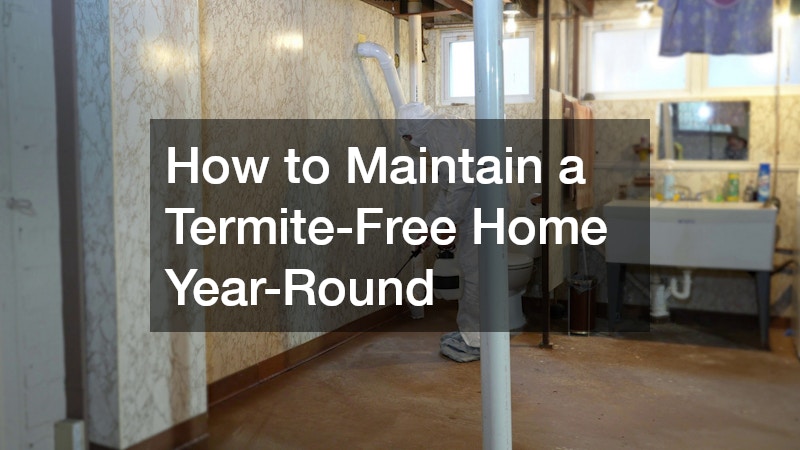
Maintaining a termite-free home requires consistent effort and attention to environmental conditions that may attract these pests. Even after treatment has been completed, the risk of reinfestation remains if preventative measures are not maintained. A pest control contractor can help establish a long-term strategy that focuses on monitoring, maintenance, and early detection.
Regular inspections are an essential part of this process, as they allow for the identification of new activity before it becomes a significant problem. In addition to professional services, homeowners can reduce risk by addressing factors such as excess moisture, poor drainage, and wood-to-soil contact. These conditions create an ideal environment for termites and should be managed carefully to minimize exposure.
Ongoing maintenance also includes keeping the exterior of the home clear of debris, ensuring proper ventilation, and repairing any structural vulnerabilities that may provide entry points for termites. By maintaining a proactive approach, homeowners can significantly reduce the likelihood of infestations and protect the long-term integrity of their property.
Long-Term Protection Starts with Awareness and Prevention
Termites represent one of the most serious threats to the structural health of a home, largely because of their ability to operate unnoticed. By the time visible damage appears, the underlying issues are often extensive and costly to repair. This makes awareness and prevention essential components of responsible homeownership.
Taking a proactive approach through regular inspections, professional support, and consistent maintenance can significantly reduce the risk of infestation. Understanding how termites behave and recognizing the conditions that attract them allows homeowners to make informed decisions that protect their property.
In the long run, the effort invested in prevention is far less than the cost of repair. By staying vigilant and addressing potential risks early, homeowners can preserve the value, safety, and comfort of their living spaces for years to come.