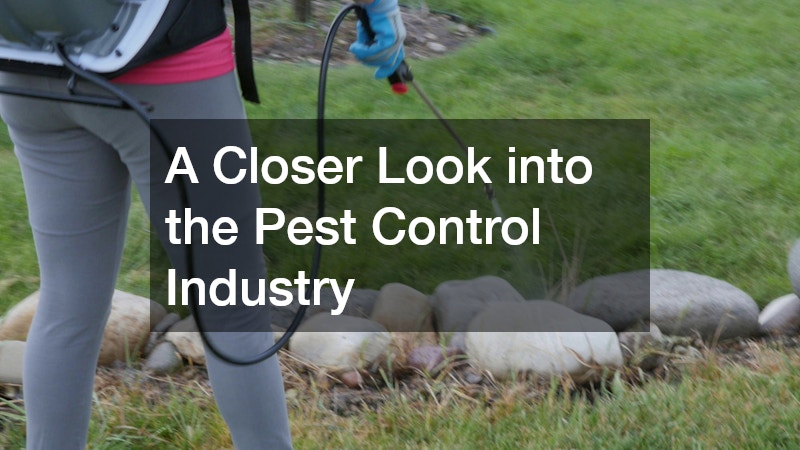
The pest control industry plays an indispensable role in ensuring safe, hygienic environments for homes and businesses worldwide. As urban areas continue to expand, the industry has witnessed significant growth, underpinned by the increasing demand for effective pest management solutions. Yet, this growth is not without its challenges; pest control operators often contend with evolving regulations, environmental concerns, and a continually adapting pest population.
The ongoing challenge is to balance effective pest management with environmental sustainability and safety. This article delves into the intricacies of the industry, examining common pests, effective pest control methods, associated costs, and prevention tactics.
What Are the Most Common Pests?
Identification of Common Pests
Pests come in various forms, each posing unique challenges to homeowners and businesses. The most common include rodents, insects such as ants and cockroaches, and termites, known for their destructive nature. The warm, humid environments of urban settings are breeding grounds for these pests, making identification crucial for effective control. Accurate identification not only aids in choosing appropriate control measures but also prevents unnecessary use of pesticides. Awareness of pest types is the first step toward an effective pest management strategy, enabling timely intervention and mitigation.
Impact of Different Pests
Each type of pest brings about specific threats to human environments and infrastructures. Termites, for example, are infamous for their ability to cause structural damage by gnawing through wooden constructions, which can lead to costly repairs. Rodents spread diseases, contaminate food supplies, and even cause electrical fires by chewing on wires. Insects like cockroaches and ants are not only nuisances but also carriers of germs that pose health risks to humans. The adverse impacts of pests on health and property emphasize the need for effective pest management solutions.
How Does Pest Control Work?
Pest Control Techniques
The arsenal of techniques and products available to the pest control industry is vast and continually evolving. Traditional methods such as traps and chemical sprays remain in use, but more sophisticated approaches like Integrated Pest Management (IPM) have gained prominence. IPM combines various tactics—biological, cultural, mechanical, and chemical measures—to minimize pest populations with the least environmental impact. Advancements in technology have led to the development of environmentally friendly pest control methods that leverage natural predators or organic substances. The key lies in selecting the right combination of tactics based on the pest type and infestation severity.
Effectiveness and Safety Measures
Ensuring effectiveness while prioritizing safety is a cornerstone of modern pest control practices. Comprehensive protocols are in place to evaluate pest control techniques, emphasizing their success rate in eradicating pests and preventing future infestations. Safety measures, including the use of protective gear and the implementation of strict handling procedures, are mandatory to protect both operators and inhabitants. The advent of eco-friendly products has increased the safety margin, reducing reliance on harmful chemicals. Continuous assessment and adaptation of techniques ensure compliance with regulatory standards while maintaining safety and efficacy.
What Are the Costs Associated with Pest Control Services?
Factors Influencing Cost
The cost of pest control services is influenced by a variety of factors, including the type and extent of the infestation, the size of the area to be treated, and the methods employed. Geographic location and local market dynamics also play a significant role in determining prices. Advanced and eco-friendly treatment options may incur higher costs initially but offer long-term benefits and potentially lower recurrence rates. Other considerations include service frequency, treatment guarantees, and customer support features, all of which can affect overall pricing. An informed assessment of these factors can guide cost-effective decision-making.
How to Choose a Reliable Pest Control Company?
Criteria for Selecting a Pest Control Service
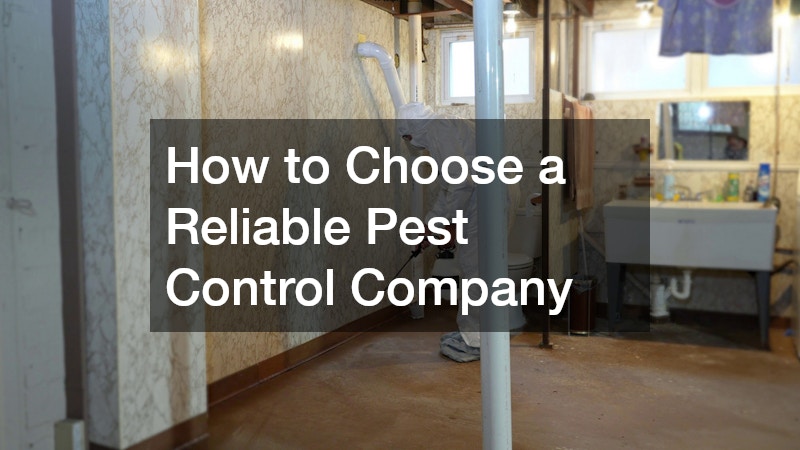
Choosing a reliable pest control company involves several critical considerations to ensure effective service delivery. Licensing and certification serve as proof of competence and adherence to industry standards, providing consumers with assurance of quality and professionalism. Evaluating the company’s experience, particularly with specific pests and industries, is crucial for achieving desired outcomes. Consumers should look for companies that offer comprehensive service plans, transparent pricing, and flexible scheduling options to accommodate diverse needs. Additionally, commitment to safety and environmental sustainability can be key differentiators in the decision-making process.
Customer Reviews and References
Customer reviews and references are valuable tools for assessing the reputation and reliability of pest control companies. Online platforms and local business directories provide platforms for past clients to share their experiences, offering insights into service quality, efficiency, and customer support. Positive reviews and high ratings often correlate with dependable services and satisfied customers. Personal recommendations from friends and family can offer trusted guidance, backed by firsthand experience. Prospective clients are advised to request references directly from the company, enabling an informed and confident choice in selecting the right pest control partner.
What Are the Preventative Measures for Pest Control?
Prevention Strategies
Pest prevention is a proactive approach that focuses on mitigating potential infestation risks before they occur. Implementing exclusion techniques, such as sealing entry points and removing attractants, forms a foundational strategy. Regular maintenance practices, including cleaning and inspection, are essential for early detection and prevention of pest harborage. Landscaping adjustments, such as maintaining vegetation away from structures and reducing standing water, can deter pests. Educating inhabitants on best practices and preventive measures empowers individuals and communities to play an active role in pest management efforts.