How to Control Pests Without Disrupting Your Indoor Air Quality
Highlights:
- Indoor air is often more concentrated than outdoor air. The EPA reports that people spend about 90 percent of their time indoors, where some pollutants run two to five times higher than outdoors, so anything you add to your home’s air matters.
- Prevention is your best pest control. Removing food, water, and shelter, and sealing gaps around windows, doors, and pipes, stops most infestations without adding anything to the air.
- Fix moisture problems early. Leaks and high humidity attract pests and fuel mold, so repairing them and running exhaust fans protects both your home and your air quality.
- Choose targeted treatments over broadcast ones. Baits, traps, and HEPA vacuuming keep active ingredients contained, while foggers, aerosols, and heavy sprays spread residues onto the surfaces you touch and the air you breathe.
- Natural doesn’t always mean safe. Diatomaceous earth, boric acid, and essential oils can still irritate lungs, pets, and children, so use them sparingly and follow the directions.
- Integrated pest management gives you a clear game plan. Inspect, prevent, treat precisely, and monitor, using chemicals only as a last resort.
- Ventilate, filter, and vet your pros. Open windows during treatment, use HEPA filters and fresh HVAC filters, and ask pest control companies about their products and methods before they spray.
Nobody wants to share a home with ants in the pantry, roaches under the sink, or mice in the walls. But a lot of the quick fixes people reach for, like foggers, aerosol sprays, and heavy-duty chemical treatments, can leave you breathing in something worse than the pest problem itself. The good news is that you can get rid of pests and keep your indoor air clean at the same time. It just takes a smarter approach. This guide walks through how to control pests without disrupting your indoor air quality, from prevention basics to low-impact treatments and what to ask a professional before they spray anything in your home.
Why Pest Control and Indoor Air Quality Are Connected
Your home is a closed system. Whatever you spray, fog, or spread around has nowhere to go except into the air, onto your surfaces, and eventually into your lungs or onto your skin. That is why pest control and indoor air quality are so tightly linked.
Pesticides are designed to be biologically active, which means they are meant to harm living things. Many are formulated to be effective in small doses, but the way they behave indoors is different from how they behave outside. Outdoors, sunlight, wind, and rain break them down or carry them away. Indoors, residues can settle into carpets, upholstery, dust, and cabinets and stick around for weeks or longer. Every time you walk across that carpet or kick up dust, some of those particles can return to the air.
There is also a flip side. Pests themselves are an air quality problem. Cockroach droppings and body parts are well-known asthma triggers. Rodent dander, urine, and droppings can become airborne when disturbed. Dust mites and mold, which often show up alongside moisture-driven pest problems, add even more irritants. So the goal is not to ignore pests and protect your air. It is to deal with pests in a way that does not trade one problem for another.
What the Data Says About Your Home’s Air

Here is a number worth keeping in mind. According to the U.S. Environmental Protection Agency’s Report on the Environment, people in the U.S. spend roughly 90 percent of their time indoors, and the concentrations of some pollutants inside are often two to five times higher than typical outdoor levels.
Let’s break down why that matters for pest control.
First, think about the time factor. If you spend nine out of every ten hours inside a building, then the quality of that indoor air matters far more than most people assume. Even a modest increase in contaminants adds up when you are breathing it nearly all day, every day. Kids, older adults, pregnant women, and anyone with asthma or allergies spend even more time at home on average, so they feel the effects most.
Second, consider the multiplier. If your baseline indoor air already carries a higher pollutant load than the air outside, adding a chemical treatment on top is like piling more weight onto a scale that is already tipped. Cooking fumes, cleaning products, candles, furniture off-gassing, and dust all contribute. A heavy pesticide application can push the total higher, especially in a tightly sealed, energy-efficient home with limited fresh air exchange.
Third, the data points to something hopeful. Because so many of these pollutants come from sources inside the home, you have a lot of control over them. You do not have to wait for a city or government to clean up your living room air. You can choose lower-impact pest control methods, ventilate smartly, and cut down on the other contributors. Pest management is simply one of the biggest levers you can pull.
The takeaway is straightforward. Since you are already starting with air that may be more concentrated than the air outside, it makes sense to be picky about anything you introduce into it.
How Common Pest Treatments Can Affect the Air You Breathe
Not every pest treatment is a problem, and it would be unfair to say all chemical products are dangerous. But some methods are more likely to affect your indoor air than others. Here are the common culprits.
- Total-release foggers (bug bombs): These fill a room with a cloud of pesticide that settles on every surface. They often miss the places where pests actually hide, like inside wall voids and behind appliances, while coating the places where you eat, sleep, and play.
- Aerosol sprays: Handy but messy. The fine mist stays suspended in the air for a while, and you can easily breathe it in during application.
- Broad-spectrum perimeter and interior sprays: When applied heavily or repeatedly, these can leave residues indoors that build up over time.
- Strong-smelling repellents and mothballs: Mothballs release vapors continuously as they break down. Those vapors are not something you want drifting through a living space.
- DIY chemical mixes: Combining products, or using outdoor-only products inside, can create fumes and residues that were never meant to be in a home.
Common signs that a treatment has affected your air include headaches, a lingering chemical smell, watery eyes, a scratchy throat, or coughing that eases when you leave the house. If you notice any of these, open windows, increase ventilation, and contact a professional or your local poison control center if symptoms are severe.
Start With Prevention: Make Your Home Less Inviting
The best way to protect your air is to need less treatment in the first place. Pests move in for the same three reasons every time: food, water, and shelter. Take those away and most infestations never get off the ground.
Think of prevention as the foundation of your whole strategy. It costs little, adds nothing to your indoor air, and works around the clock. Walk through your home with fresh eyes and ask what a hungry ant, roach, or mouse would find attractive. Crumbs under the toaster, a pet food bowl left out overnight, a dripping faucet, cardboard boxes stacked in a damp corner, and overflowing trash all send an open invitation.
Seal Up the Entry Points
Most pests do not appear out of thin air. They come through gaps you might never notice. Mice can squeeze through openings about the size of a dime, and insects can slip through even smaller cracks. Sealing these entry points is one of the most effective and cleanest steps you can take.
Here is a simple checklist for exclusion work:
- Caulk gaps around windows, door frames, baseboards, and where pipes or cables enter the house.
- Install door sweeps on exterior doors so there is no daylight visible underneath.
- Repair torn window and vent screens.
- Fill larger gaps around plumbing with steel wool or copper mesh, then seal over them, since rodents have a hard time chewing through metal.
- Cover chimney openings, attic vents, and crawl space vents with sturdy mesh.
- Check the weatherstripping on garage doors and replace it if it is cracked or missing.
One word of caution: when you seal your home more tightly, you reduce natural air leakage, which can make indoor pollutants hang around longer. That is not a reason to skip sealing. It is a reason to pair it with good ventilation, which we will cover below.
Control Moisture and Humidity
Moisture is a magnet for pests. Roaches, silverfish, termites, carpenter ants, and many other pests thrive in damp conditions, and the same dampness feeds mold growth. Fixing moisture problems helps you on two fronts, since it discourages pests and protects air quality.
Start by repairing leaky pipes, faucets, and roof leaks as soon as you spot them. Run exhaust fans in bathrooms and kitchens, and make sure they vent to the outdoors rather than into the attic. A dehumidifier can help in basements and other damp spaces, and a good target is to keep indoor humidity in a comfortable, moderate range. Clear gutters and make sure the ground around your foundation slopes away from the house so water does not pool against the walls.
Pay attention to hidden damp spots, too. Under-sink cabinets, around the washing machine, behind the refrigerator, and under potted plants are all places where moisture and pests quietly team up.
Keep Food and Waste Under Control
A clean kitchen is not about being perfect. It is about not leaving easy meals lying around. Pests are opportunists, and even a tiny bit of food residue can feed a colony.
- Store dry goods like flour, cereal, rice, and pet food in airtight containers made of glass, metal, or thick plastic.
- Wipe counters and sweep floors daily, especially after cooking.
- Take out the trash regularly and use bins with tight-fitting lids.
- Rinse recyclables like cans and bottles before storing them.
- Do not leave dirty dishes soaking overnight.
- Pick up pet food bowls after meals, or at least before bed.
- Clean under and behind appliances every so often, where grease and crumbs collect.
When you clean, choose gentle products. Plain soap and water handle most kitchen messes, and a diluted vinegar solution works on many surfaces. Heavily fragranced or harsh chemical cleaners add their own load to your indoor air, which defeats part of the purpose.
Low-Impact Treatment Options That Protect Your Air
Sometimes prevention is not enough, and you need to actively deal with the pests already inside. The key is to choose targeted tools over broadcast ones. Instead of spraying everything everywhere, place the treatment exactly where the pests are.
Baits and gels:
Bait stations and gel baits for ants and roaches are placed in small, hidden spots, so the active ingredient stays contained rather than floating through the room. Pests carry the bait back to the nest, which can wipe out the colony without any spray. Keep baits out of reach of children and pets.
Traps:
Snap traps, enclosed traps, and glue boards (used carefully) work for rodents without any chemicals in the air. Sticky traps are also useful for monitoring insects, because they show you where the activity is.
Vacuuming:
It sounds basic, but a vacuum with a HEPA filter is a great tool for removing roaches, spiders, and their debris. Empty the bag or canister outside right away.
Diatomaceous earth and boric acid:
Both are often used in tiny amounts in cracks, voids, and behind appliances. They are lower in toxicity than many conventional sprays, but they are still not harmless. Fine dust can irritate the lungs and eyes, so apply a thin layer only where it will not be disturbed, wear a mask, and keep it away from kids and pets. Always read and follow the label.
Heat and cold treatments:
For certain problems like bed bugs, professionals can use heat to treat items or whole rooms without leaving chemical residues. Freezing small infested items can also work.
Botanical and mechanical options:
Some people use essential oil products for repelling pests. Be aware that “natural” does not automatically mean “safe for your air.” Strong essential oils can also be irritating, especially for people with asthma or for pets, so use them sparingly and with good ventilation.
Use Integrated Pest Management as Your Game Plan
If you want a framework to tie all of this together, look into integrated pest management, often shortened to IPM. It is an approach that prioritizes prevention and monitoring first, and it reaches for chemicals only as a last resort and only in a targeted way.
IPM generally follows a few steps:
- Inspect and identify: Figure out what pest you are dealing with and where it is getting in. Different pests need different strategies.
- Set action thresholds: Decide when a pest presence actually requires treatment. One stray ant does not always mean war.
- Prevent: Seal, clean, and fix moisture issues to remove what the pests want.
- Treat precisely: Use traps, baits, and spot treatments rather than whole-room applications.
- Monitor and follow up: Check that your methods worked, and adjust if they did not.
The beauty of IPM is that it fits right into the goal of protecting your air. Because it uses fewer and more targeted products, it simply puts less into your home.
Ventilate and Filter the Right Way
Even with a gentle approach, good airflow helps. Ventilation dilutes whatever is floating around inside, whether that is a bit of product vapor, cooking fumes, or dust.
When you do any treatment, open windows and run exhaust fans if the weather allows. Cross-ventilation, with windows open on opposite sides of the house, moves air faster. Keep kids and pets out of the treated area for as long as the product label recommends, and do not return until it has aired out.
For ongoing air quality, consider these habits:
- Swap HVAC filters on schedule, and choose a higher-efficiency filter if your system can handle it.
- Use a portable air cleaner with a true HEPA filter in rooms where you spend lots of time, like the bedroom.
- Vacuum regularly with a HEPA-equipped machine to keep dust and allergens down.
- Run kitchen and bathroom exhaust fans during and after cooking or showering.
- Skip scented candles, plug-in air fresheners, and aerosol sprays that add to the chemical mix.
If your home is tightly sealed, a mechanical ventilation system such as a heat or energy recovery ventilator can bring in fresh air without wasting your heating and cooling.
How to Choose a Pest Control Professional
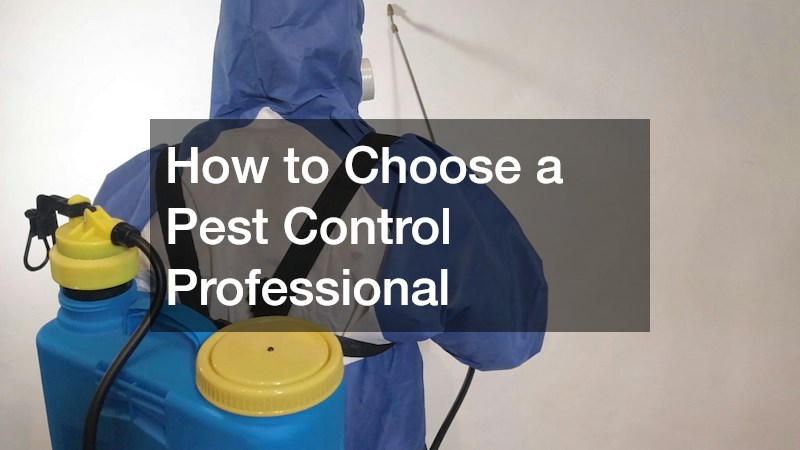
Some infestations are beyond a DIY fix. Termites, large rodent problems, bed bugs, and wasp nests in wall voids are all jobs where a professional can save you time and stress. The trick is picking a company that respects your air quality concerns.
Before you hire anyone, ask a few questions:
- Do you follow an integrated pest management approach?
- What products will you use, and can I see the label and safety data sheet?
- Will you apply products in targeted spots, or will you spray whole rooms?
- How long should my family and pets stay out after treatment?
- What can I do before and after the visit to reduce exposure?
- Are your technicians licensed and insured?
A good company will welcome these questions and explain their approach clearly. If someone pushes a fog-everything strategy or gets defensive when you ask about products, that is a sign to look elsewhere. Tell them upfront if anyone in your household has asthma, allergies, or a compromised immune system, or if someone is pregnant. That information should shape the treatment plan.
Mistakes to Avoid
A few common missteps can quietly undermine your efforts:
- Using more product than the label says. More is not better, and overuse just means more residue and more airborne particles.
- Mixing different products. Combining chemicals can create harmful fumes.
- Using outdoor products indoors. Labels exist for a reason, and outdoor formulas are not tested for indoor use.
- Skipping the cleanup. Treating pests without removing the food and water sources means they will come right back.
- Forgetting to ventilate. Even gentle treatments benefit from fresh air.
- Ignoring the problem until it explodes. Early action usually means simpler, cleaner solutions.
Final Thoughts
Keeping pests out and your air clean are not competing goals. They are two sides of the same healthy-home coin. Since the average person spends most of their day indoors, and indoor pollutant levels can already run well above what you would find outside, it pays to be thoughtful about every product that enters your space.
Start with prevention, seal the gaps, fix the moisture, and keep food tucked away. When you do need to act, go with targeted options like baits, traps, and HEPA vacuuming before reaching for sprays. Back it all up with good ventilation and filtration, and bring in a professional who takes air quality seriously if things get out of hand.
Do that, and you can enjoy a pest-free home where the air feels as good as it should.